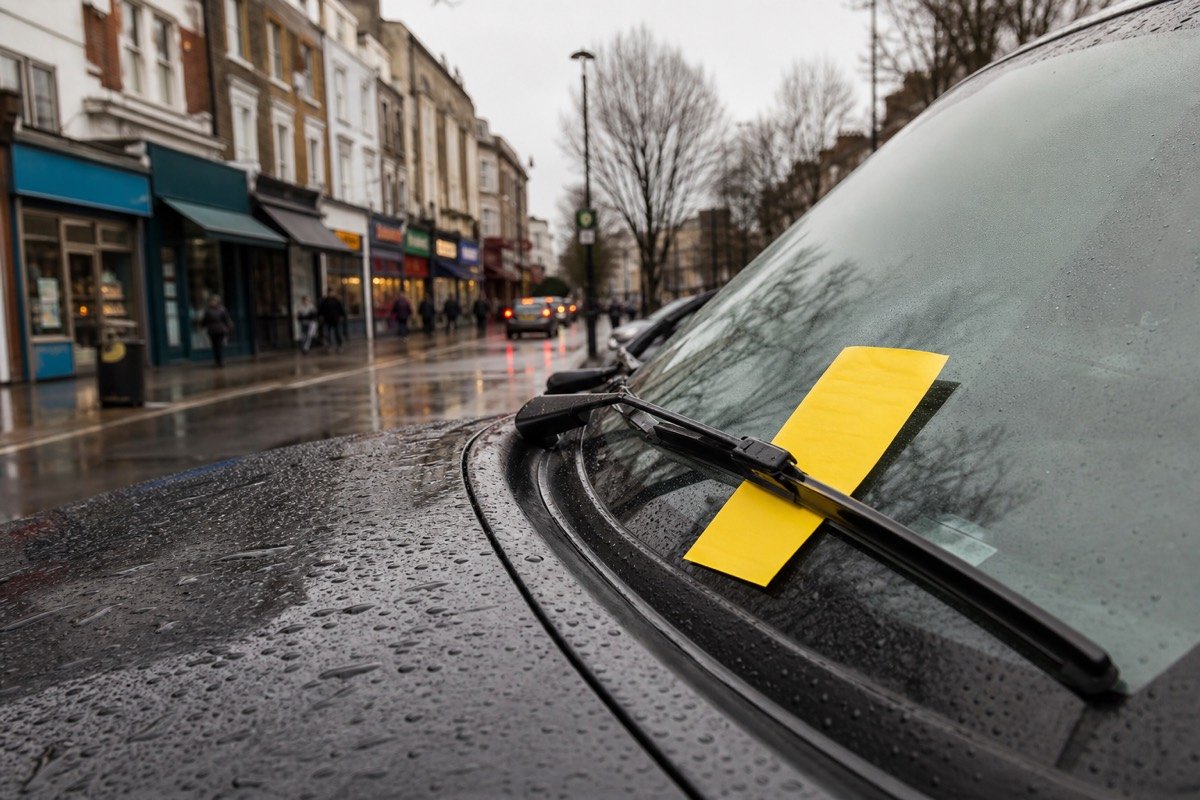
There are two types of parking fine in the UK: a Penalty Charge Notice (PCN) issued by a council or TfL (a genuine legal penalty), and a Parking Charge Notice issued by a private parking company (a civil invoice dressed up to look official). Both can be appealed. The process differs.
First: Which Type of Fine Do You Have?
Check who issued it. If it's from your local council, the Metropolitan Police, or Transport for London — it's a PCN and carries legal weight. If it's from a private company like NCP, Euro Car Parks, or an unfamiliar company name — it's a private parking charge, which is a civil matter, not a fine.
Appealing a Council PCN
Step 1: Don't Pay Immediately
Councils offer a 50% discount if you pay within 14 days. But paying immediately waives your right to appeal. Instead, use those 14 days to gather evidence and assess your grounds.
Step 2: Check the Grounds
Common valid grounds for appeal include:
- Signs or road markings were unclear, missing, or obscured
- The PCN was issued after you'd already started to move away
- You were loading/unloading (permitted in many restriction zones)
- There was a genuine emergency
- The PCN contains errors (wrong VRM, wrong date, wrong location)
- Mitigating circumstances (medical emergency, breakdown)
Step 3: Submit an Informal Challenge
Write to the council within 28 days (or 14 days to keep the discount option alive). Be factual, not emotional. Include photos if you have them. Roughly 50% of informal challenges succeed — councils often cancel at this stage to avoid the cost of a formal process.
Step 4: Formal Appeal to PATAS/PATROL/London Tribunals
If rejected, the council issues a formal Notice to Owner. You now have 28 days to make a formal representation. If that's rejected, you can appeal to the independent adjudicator — PATAS in London, PATROL (Joint Committee for Parking Adjudicators) elsewhere. This is free and can be done online. Around 60% of cases that reach this stage are decided in the driver's favour, because councils frequently fail to attend or their evidence doesn't hold up.
Appealing a Private Parking Charge
Private charges are invoices for breach of contract. They have no criminal enforcement power. You cannot be imprisoned for not paying. However, under the Parking (Code of Practice) Act 2019, accredited operators can use DVLA data to pursue the registered keeper — so they aren't entirely toothless.
Check if the Operator is POPLA-Accredited
Members of the British Parking Association (BPA) or International Parking Community (IPC) must follow a code of practice and offer an independent appeal via POPLA (Parking on Private Land Appeals). Go to popla.co.uk. If the operator isn't accredited, their ability to enforce is severely limited.
Template Appeal Points for Private Charges
- Signs weren't prominently displayed or legible from the vehicle
- The charge is a penalty, not a genuine pre-estimate of loss (the legal requirement for a valid contract term)
- Grace periods weren't applied correctly (minimum 10 minutes required under the BPA code)
- You were the driver, not the registered keeper (debt can't be transferred under civil law without proof)
You have more rights than the parking industry wants you to know about. A brief, evidence-based appeal costs nothing and succeeds more often than not.